

What do you want to be when you grow up? Do you remember being asked that question as a child? What was your answer? Popular answers I remember from my own childhood included occupations like fireman, teacher, construction worker, and veterinarian. What did those occupations have in common? They do things that are easy to
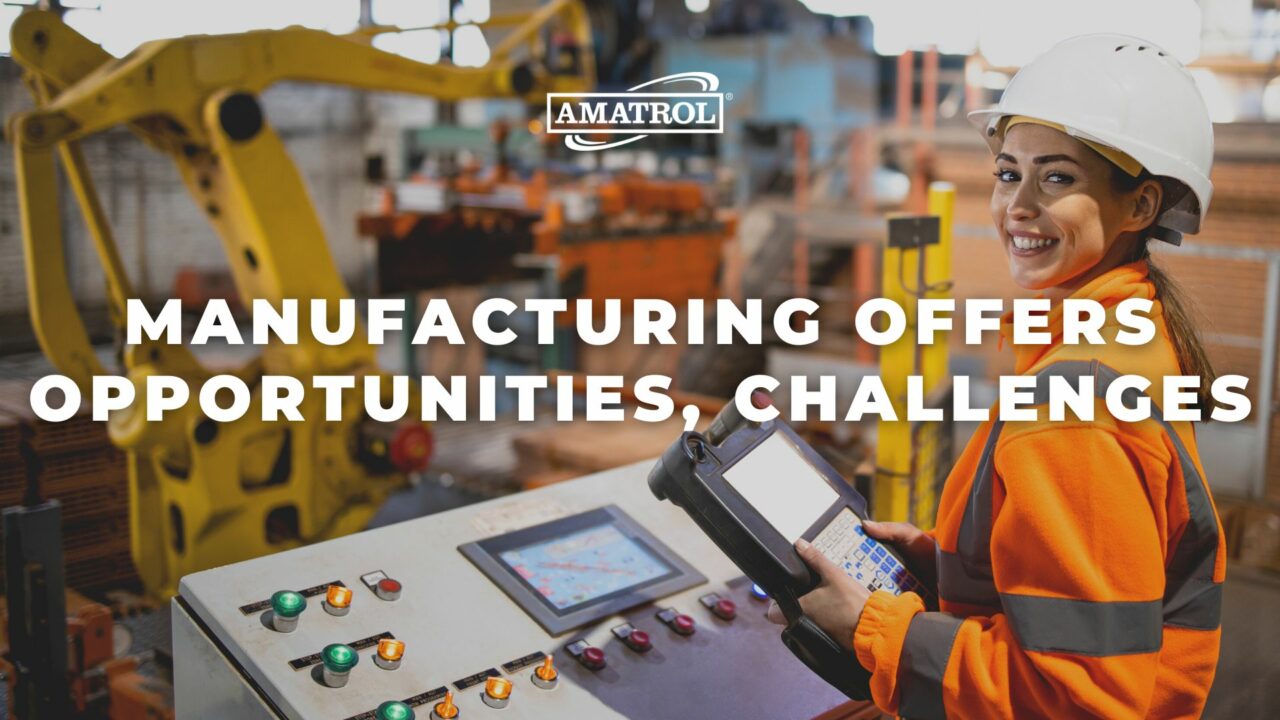
Why Consider a Career in Manufacturing? Here’s What Manufacturing Workers Say If you work in the manufacturing industry or are involved in training the next generation of workers, there’s one fact you’re well aware of: manufacturing needs more highly skilled workers. The “skills gap” problem has existed for years and continues today. Modern manufacturers simply
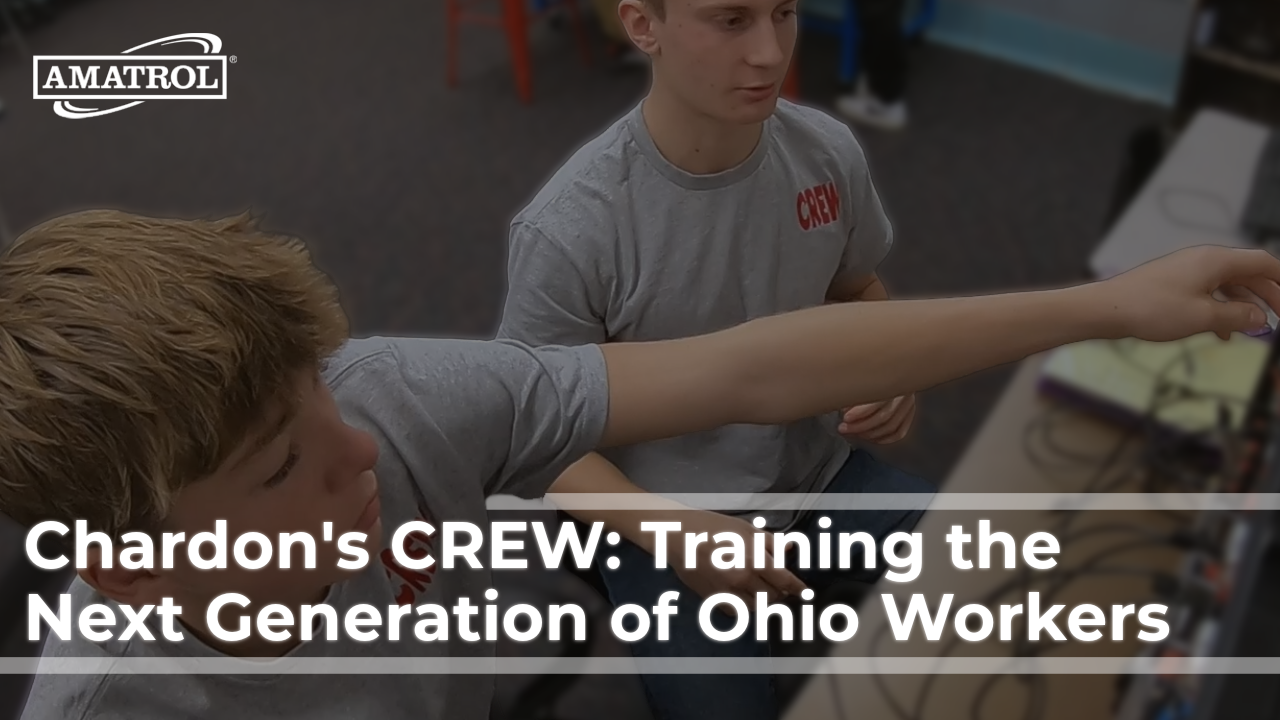
How do you effectively prepare high school students for the manufacturing jobs of today and tomorrow? If you’re Chardon High School career and technical education (CTE) instructors Tracey Britt and Kim Butala, you partner with Amatrol and Buckeye Educational Systems to create what Taneisha Cordell from ABC News 5 Cleveland calls “a technology playground.” According
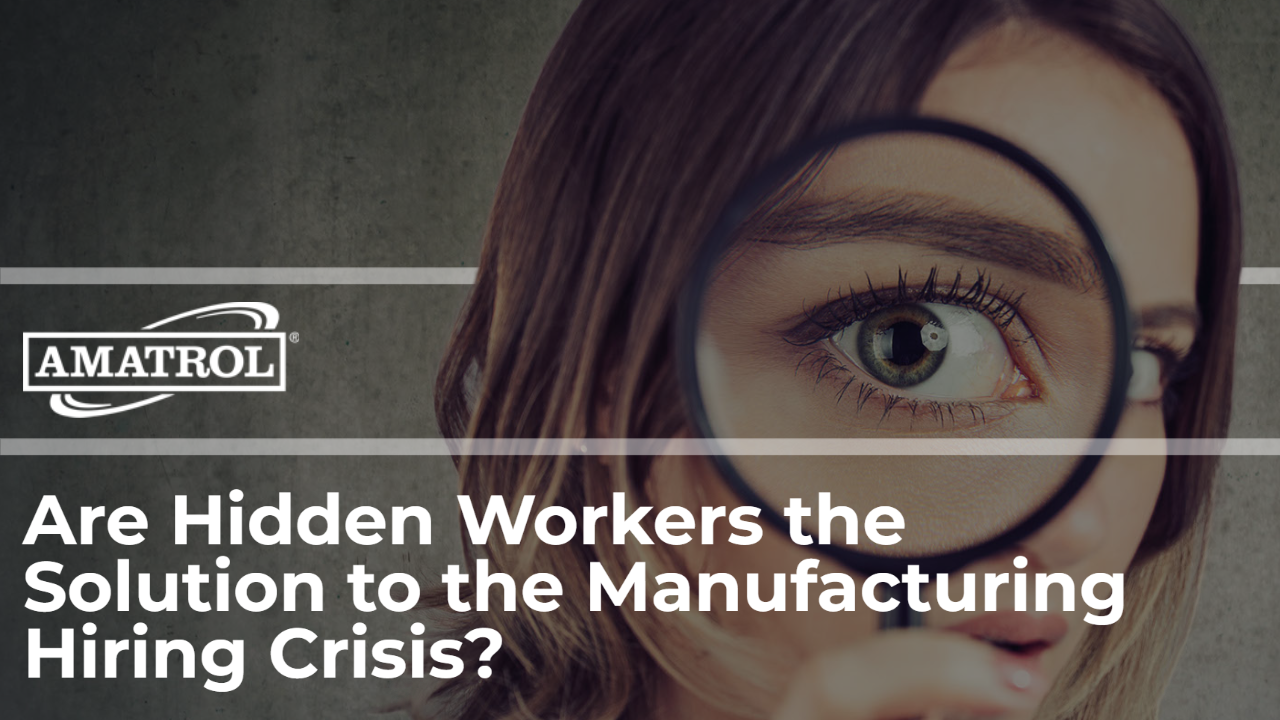

Recent employment statistics reveal that the U.S. economy has largely returned to pre-pandemic levels, although significant challenges remain. In particular, the manufacturing sector continues to experience problems finding enough highly-skilled workers to fill hundreds of thousands of open positions. How can manufacturers compete for workers in an increasingly-crowded labor market? A recent study by Harvard
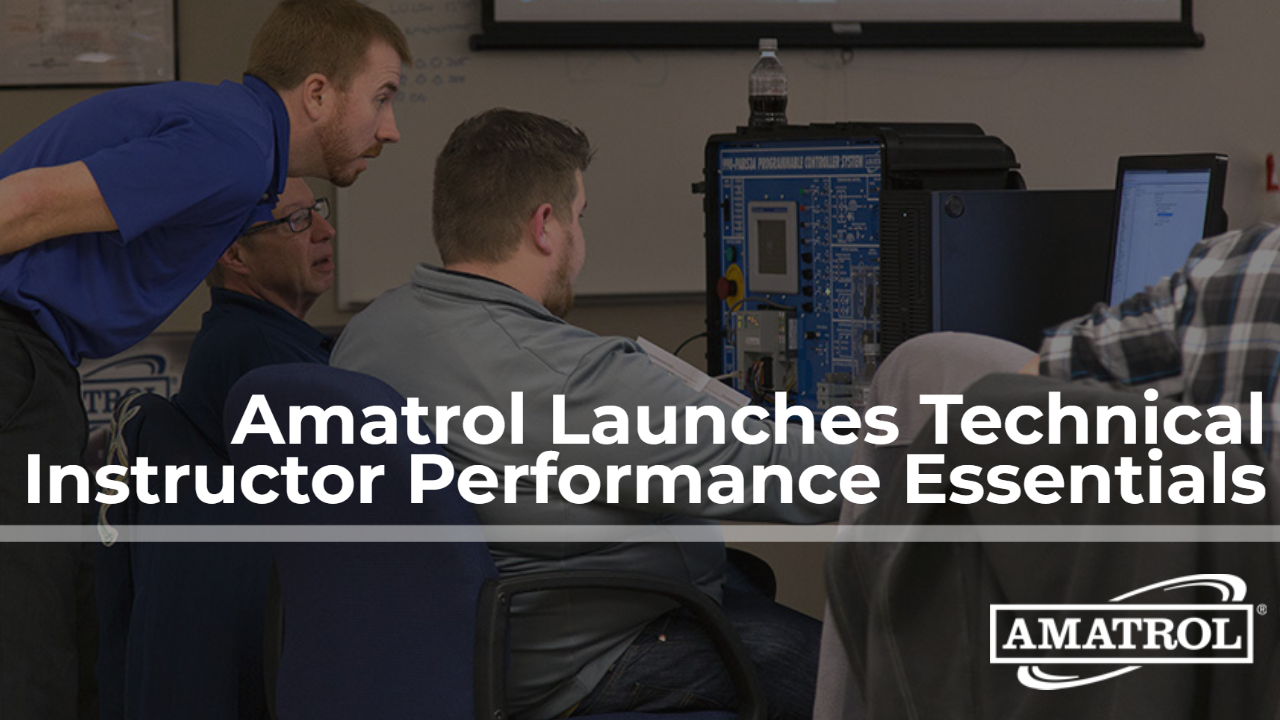
The bell rings and you look up from your notes at a sea of curious, eager faces. Ready or not, it’s time to teach your first basic electrical class. These students are depending on you. You’re a journeyman electrician with years of experience. Yet, you feel somewhat unprepared to transfer your accumulated knowledge and experience
“The robots are coming! The robots are coming!” If there were a cry to herald the start of the Fourth Industrial Revolution, it might indeed echo the famous warning often attributed to Paul Revere. Just replace the British with robots and you get the idea. As Industry 4.0 technologies take hold in the modern manufacturing
As much as we all would like to put the COVID-19 pandemic behind us, recovery is a process in which there are no quick fixes. The effects of the pandemic are still lingering in our society and are apparent in everyday life. Perhaps the most noticeable and pressing area still struggling to recover is the
When I was but a wee youngster, I vividly remember thinking about the future and wondering what marvels I would see in my lifetime. For some reason, I was certain that flying cars would be the norm by now. Of course, today’s automobiles are still firmly grounded, although many of them are now electric. Can

Since the industrial revolution began manufacturing has been the driving force behind the success of developed nations. Unfortunately for the past century the development of industry came at the expense of the environment. Air, soil, and water pollution became synonymous with the output of large factories, who seemed more concerned with the bottom dollar than
Which career paths capture the imaginations of students trying to chart a course for their lives? The answers change over time. Kids who possibly dreamed of being a fireman or a police officer when they were young often broaden their options as they are exposed to more careers over time. As students age, they find

When separating from the U.S. military, a primary factor in a soldier’s successful transition back to civilian life is stability. This stability can come from multiple places, such as having supportive friends and family and a place to live once their service is over, but ultimately, a key component to establishing this stability is finding
What do you remember about 2020? For most people, “COVID-19” and “pandemic” are words forever etched in their memories of that year. When the ball dropped in Times Square, pushing us all into 2021, we had high hopes that the worst was behind us. Of course, things didn’t really go as we had hoped, though.
- 1
- 2