

Those familiar with manufacturing and the skilled trades know all about the skills gap and the challenge of hiring enough highly skilled workers to fill the hundreds of thousands of open positions throughout industry across the country. For years now, there simply haven’t been enough workers to meet growing demand. Hiring managers tasked with finding

“It’s so nice to be fully staffed,” said no manager ever. Wouldn’t that be great, though? Can you imagine your workplace having all the highly skilled workers it needs to function efficiently and effectively, taking advantage of available opportunities and being proactive rather than reactive? If there’s one thing that has plagued industries across the
Manufacturers Must Retain and Attract Workers to Battle Ongoing Labor Shortage As 2023 winds to an end and 2024 begins, it’s good to take a closer look at how manufacturers have been faring with the ongoing struggle to fill open positions. It’s no secret that manufacturers here and around the world have been battling
In-House Training: Why It’s Valuable and How It Can Go Wrong Should industrial employers provide ongoing training for their employees? How that question gets answered usually depends upon who you ask. Studies show that employees see ongoing training as a desired benefit. Unfortunately, many employers see training as an unnecessary cost. When you look

When the COVID-19 pandemic struck in 2020, employers in every sector experienced a phenomenon that manufacturers had been dealing with for many years: a shortage of skilled workers. Most people vividly remember “CLOSED” signs adorning windows due to staffing shortages. While we’re a ways past the pandemic now, many businesses continue to experience skilled labor
Recent employment statistics reveal that the U.S. economy has largely returned to pre-pandemic levels, although significant challenges remain. In particular, the manufacturing sector continues to experience problems finding enough highly-skilled workers to fill hundreds of thousands of open positions. How can manufacturers compete for workers in an increasingly-crowded labor market? A recent study by Harvard
In the years since the COVID-19 pandemic began, every industry around the globe has struggled at times to find enough qualified workers to fill open positions. For some sectors, such as advanced manufacturing, this struggle has been ongoing since long before the pandemic began. We hate to be the bearer of bad news, but guess
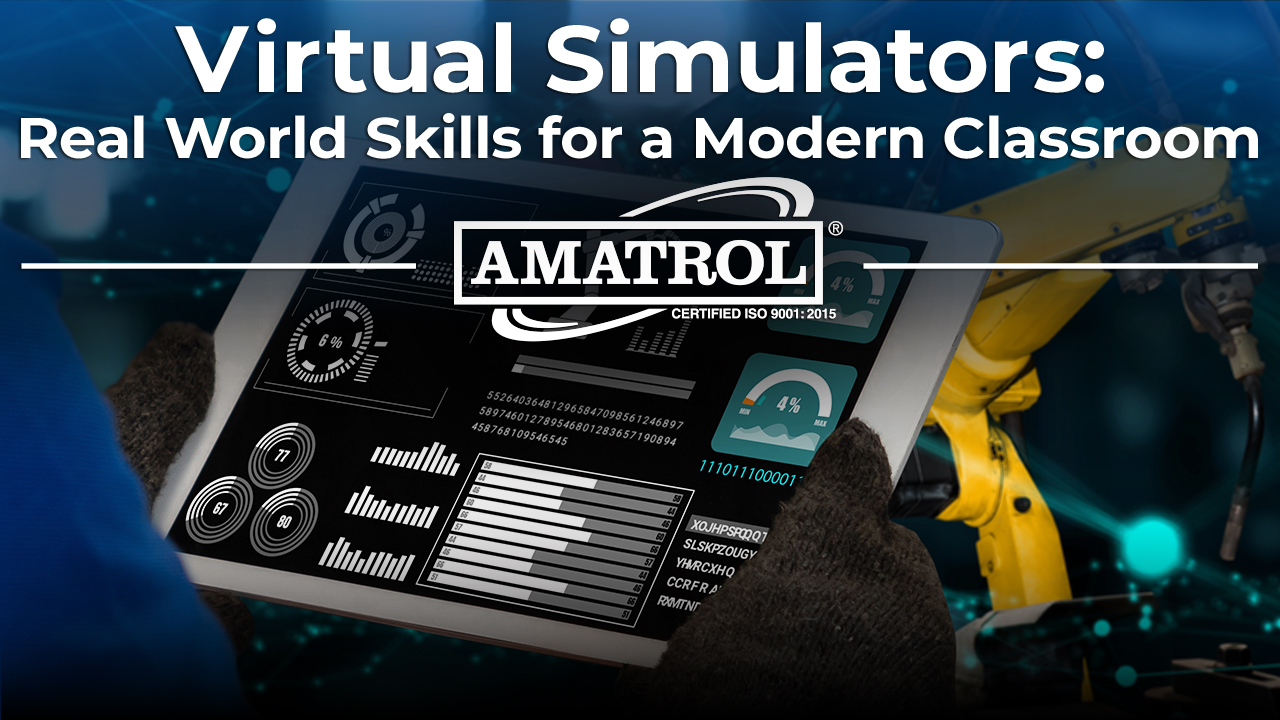
Virtual simulator is a common term used to define everything from aircraft flight simulators to interactive games. In manufacturing training, virtual simulators refer to interactive software that closely mimics the operation of machines, tools, or systems. They imitate their real-world counterparts to such a close degree that they allow the transfer of real-world skills. While
As much as we all would like to put the COVID-19 pandemic behind us, recovery is a process in which there are no quick fixes. The effects of the pandemic are still lingering in our society and are apparent in everyday life. Perhaps the most noticeable and pressing area still struggling to recover is the
Why are there still so many open manufacturing positions in every industry across the U.S.? In a nutshell, the answer for year after year now has been the same: the skills gap. The supply of highly-skilled workers simply isn’t great enough to meet the continuously growing demand for workers with advanced technical skills. The skills
What’s your dream job? When instructors ask their students this question, the answers will likely span a wide variety of careers. For some, “professional gamer” or “social media influencer” may seem like the perfect way to spend their days. Of course, those opportunities tend to be few and far between. Those who set their sights
- 1
- 2