

If you’re following the rapid rise of electric vehicles (EVs) in the United States, you’ve probably noticed conflicting reports about the EV boom. Some news outlets report strong demand while others focus on the backlash from those who prefer traditional gas vehicles. So what’s the real story? According to a recent Environmental Defense Fund article,
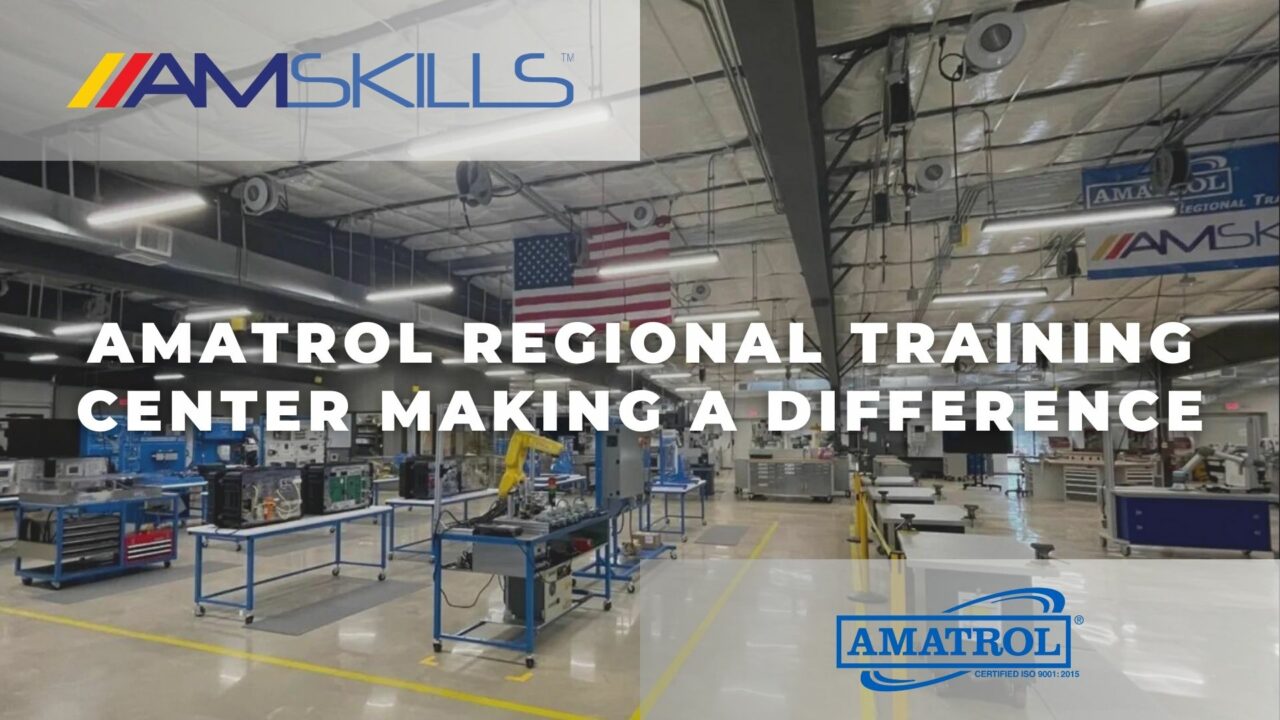
“You can’t teach an old dog new tricks.” That popular adage may or may not apply to teaching Fido to fetch or roll over, but it certainly doesn’t apply to humans searching for the right career. That’s the powerful lesson AmSkills is teaching as it continues to improve lives in the Tampa Bay area. One
Manufacturers Must Retain and Attract Workers to Battle Ongoing Labor Shortage As 2023 winds to an end and 2024 begins, it’s good to take a closer look at how manufacturers have been faring with the ongoing struggle to fill open positions. It’s no secret that manufacturers here and around the world have been battling

Instructor Profile: Scott Weiler Have you heard the news? American manufacturing is back! And when it comes to new high-tech manufacturing facilities, Arizona is the place to be. Here’s just a sample of the facilities in Arizona that are under construction or have been announced: Intel’s semiconductor plants in Chandler Taiwan Semiconductor Manufacturing Company (TSMC)’s
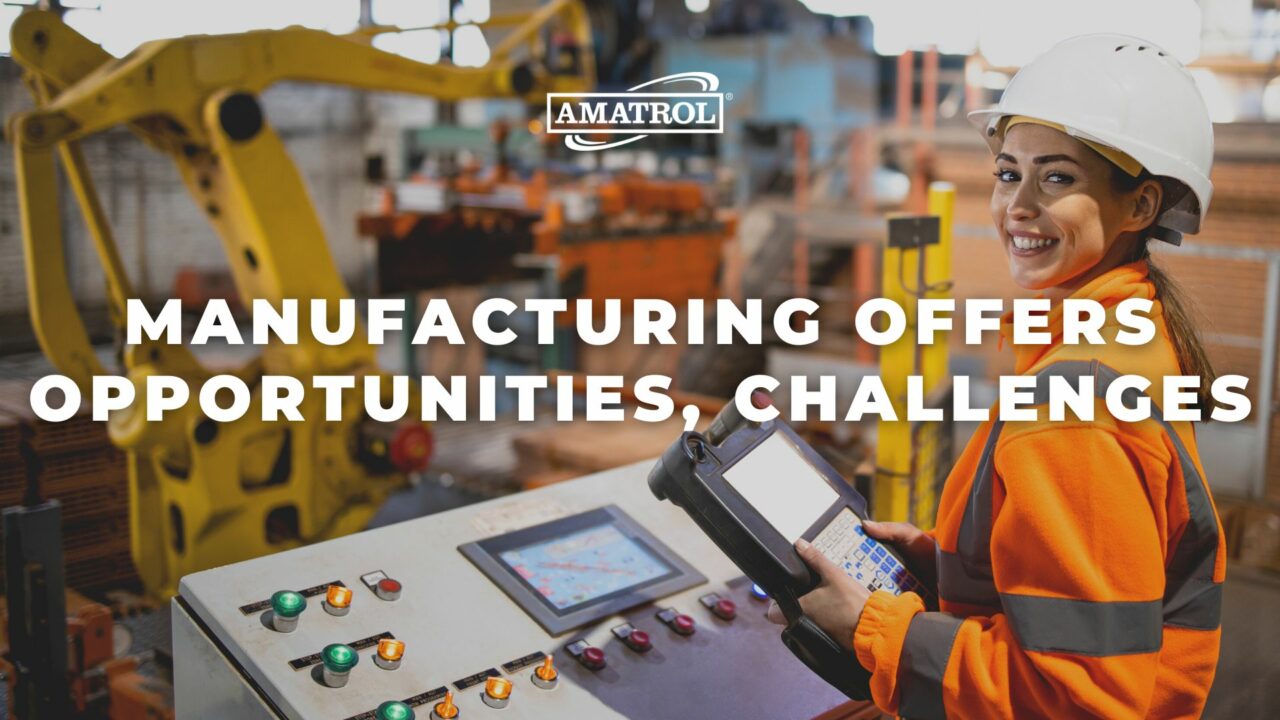
Why Consider a Career in Manufacturing? Here’s What Manufacturing Workers Say If you work in the manufacturing industry or are involved in training the next generation of workers, there’s one fact you’re well aware of: manufacturing needs more highly skilled workers. The “skills gap” problem has existed for years and continues today. Modern manufacturers simply
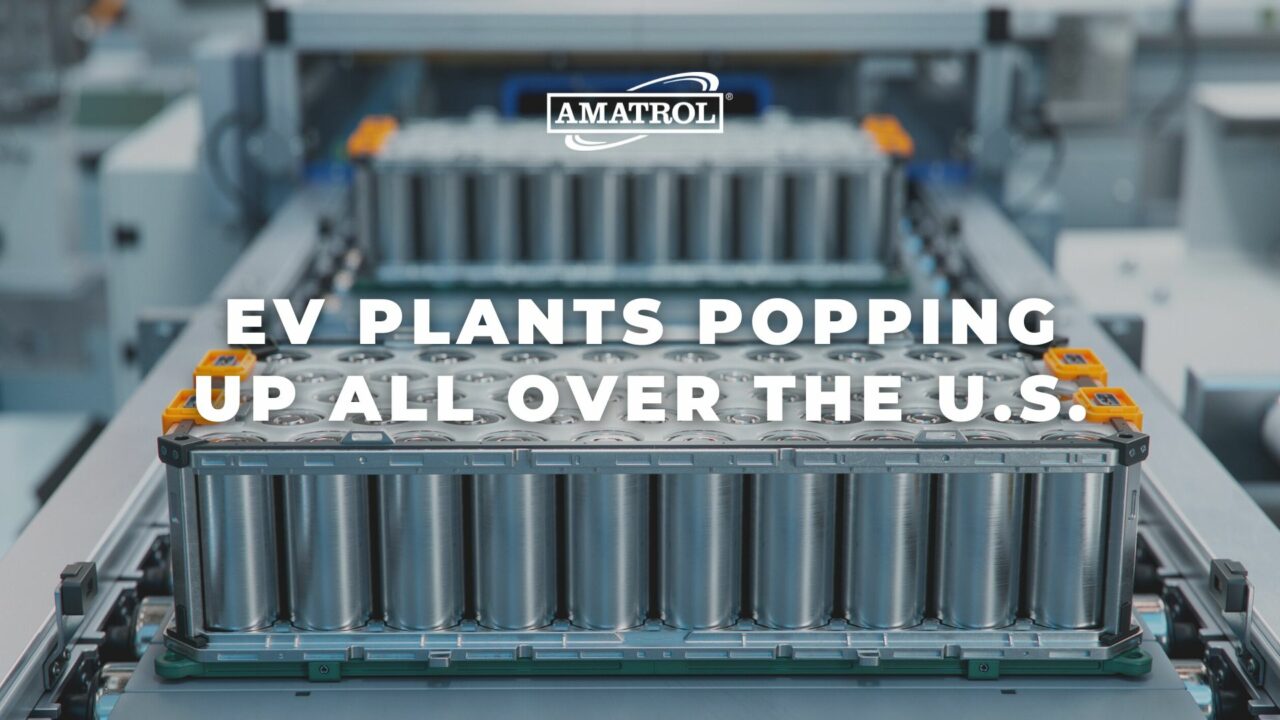
New Plants Put Focus on EV Technology Training Will Americans really give up their gas-guzzling behemoths in favor of electric vehicles (EVs)? Even just a few years ago, many people would’ve probably answered “Never!” to such a question. Today, though, a drive around any populated area will likely reveal the presence of at least one
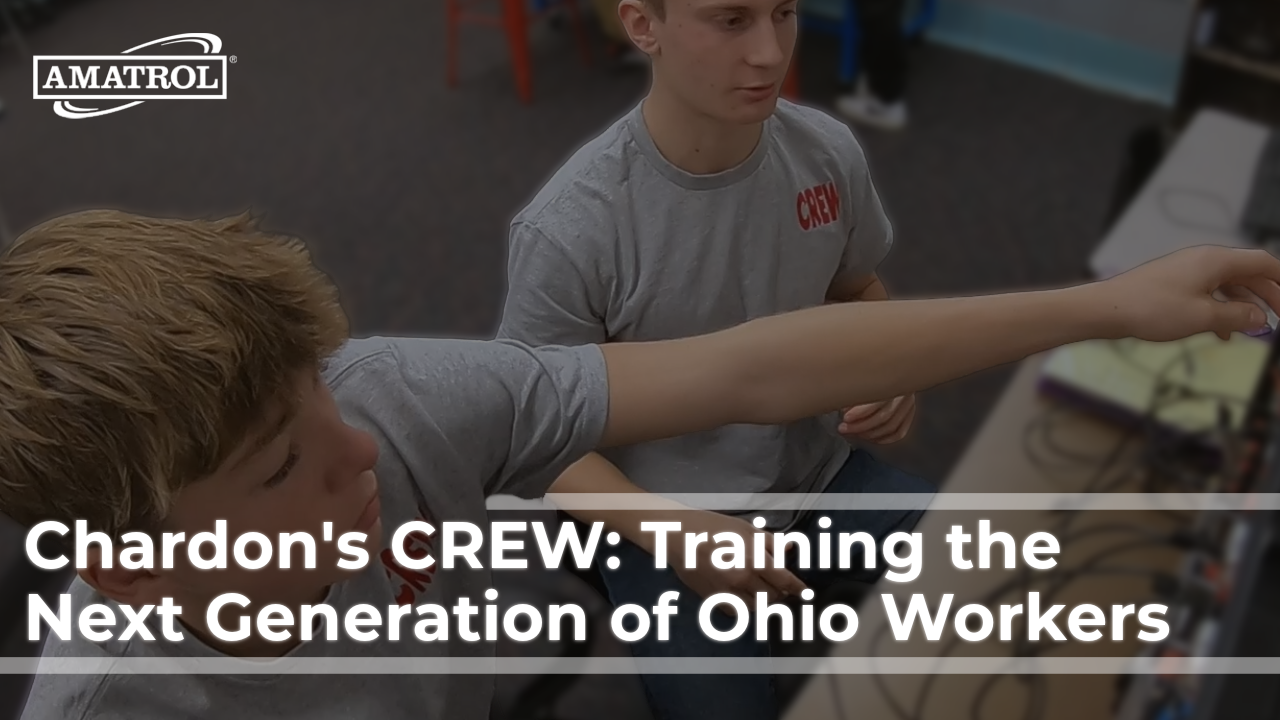
How do you effectively prepare high school students for the manufacturing jobs of today and tomorrow? If you’re Chardon High School career and technical education (CTE) instructors Tracey Britt and Kim Butala, you partner with Amatrol and Buckeye Educational Systems to create what Taneisha Cordell from ABC News 5 Cleveland calls “a technology playground.” According
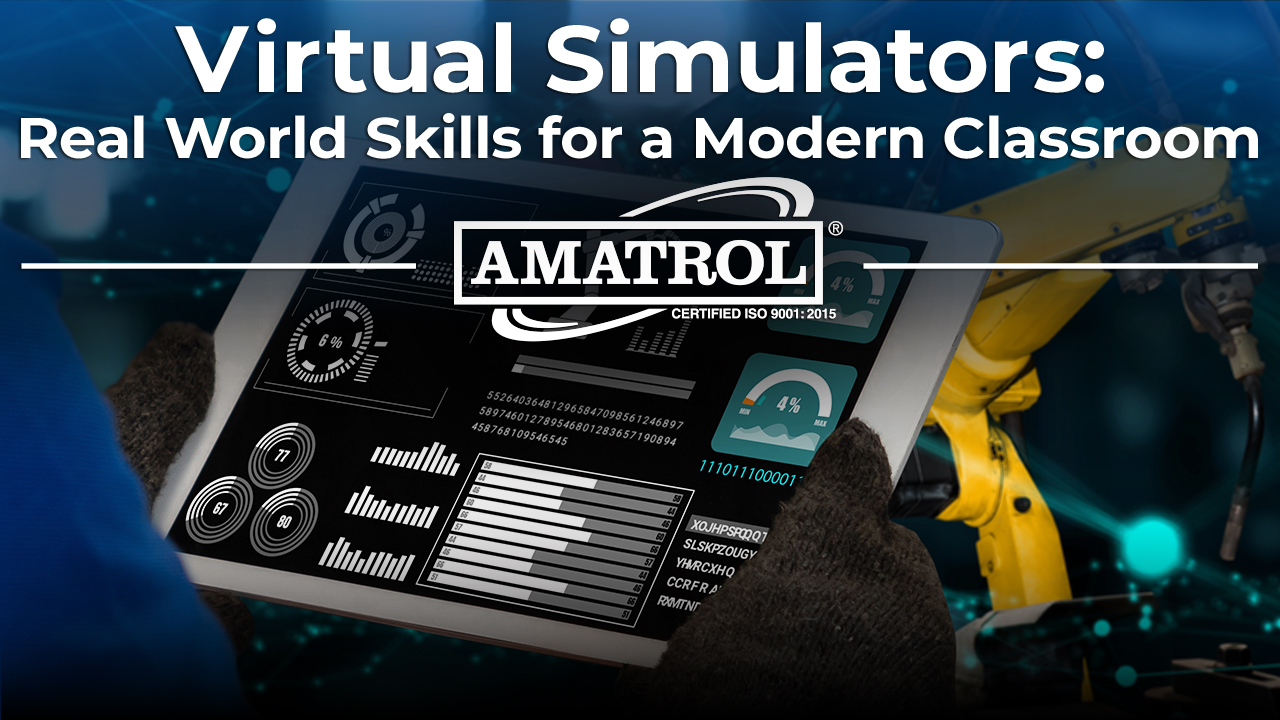

Virtual simulator is a common term used to define everything from aircraft flight simulators to interactive games. In manufacturing training, virtual simulators refer to interactive software that closely mimics the operation of machines, tools, or systems. They imitate their real-world counterparts to such a close degree that they allow the transfer of real-world skills. While
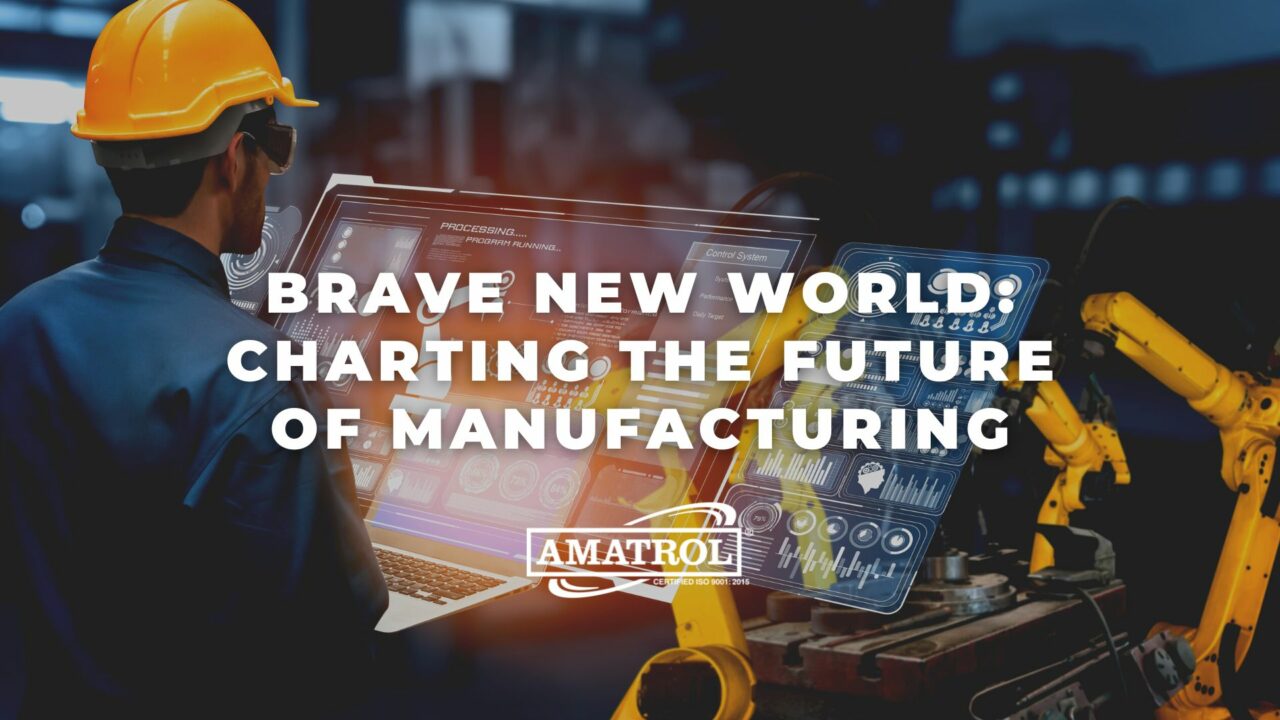
When I was but a wee youngster, I vividly remember thinking about the future and wondering what marvels I would see in my lifetime. For some reason, I was certain that flying cars would be the norm by now. Of course, today’s automobiles are still firmly grounded, although many of them are now electric. Can

Major federal legislation coupled with recent industrial trends point to the potential for a resurgence of growth in the United States’ manufacturing sector. In particular, this growth centers on those embracing smart technology, or what has become known as Industry 4.0. The decade leading up to the COVID-19 crisis (2010-2019) saw 1.3 million manufacturing jobs
Which career paths capture the imaginations of students trying to chart a course for their lives? The answers change over time. Kids who possibly dreamed of being a fireman or a police officer when they were young often broaden their options as they are exposed to more careers over time. As students age, they find
What’s your dream job? When instructors ask their students this question, the answers will likely span a wide variety of careers. For some, “professional gamer” or “social media influencer” may seem like the perfect way to spend their days. Of course, those opportunities tend to be few and far between. Those who set their sights
- 1
- 2