

Those familiar with manufacturing and the skilled trades know all about the skills gap and the challenge of hiring enough highly skilled workers to fill the hundreds of thousands of open positions throughout industry across the country. For years now, there simply haven’t been enough workers to meet growing demand. Hiring managers tasked with finding

What do you want to be when you grow up? Do you remember being asked that question as a child? What was your answer? Popular answers I remember from my own childhood included occupations like fireman, teacher, construction worker, and veterinarian. What did those occupations have in common? They do things that are easy to
Manufacturers Must Retain and Attract Workers to Battle Ongoing Labor Shortage As 2023 winds to an end and 2024 begins, it’s good to take a closer look at how manufacturers have been faring with the ongoing struggle to fill open positions. It’s no secret that manufacturers here and around the world have been battling
Why Consider a Career in Manufacturing? Here’s What Manufacturing Workers Say If you work in the manufacturing industry or are involved in training the next generation of workers, there’s one fact you’re well aware of: manufacturing needs more highly skilled workers. The “skills gap” problem has existed for years and continues today. Modern manufacturers simply

Why are there still so many open manufacturing positions in every industry across the U.S.? In a nutshell, the answer for year after year now has been the same: the skills gap. The supply of highly-skilled workers simply isn’t great enough to meet the continuously growing demand for workers with advanced technical skills. The skills

What’s hotter than the temperatures currently scorching most of the United States? Quite appropriately, careers in heating, ventilation, air conditioning, and refrigeration (HVACR) are hotter than ever. With heat wave after heat wave and temperatures setting new records year after year, the demand for qualified HVACR installers and technicians is greater than ever. Unfortunately, supply
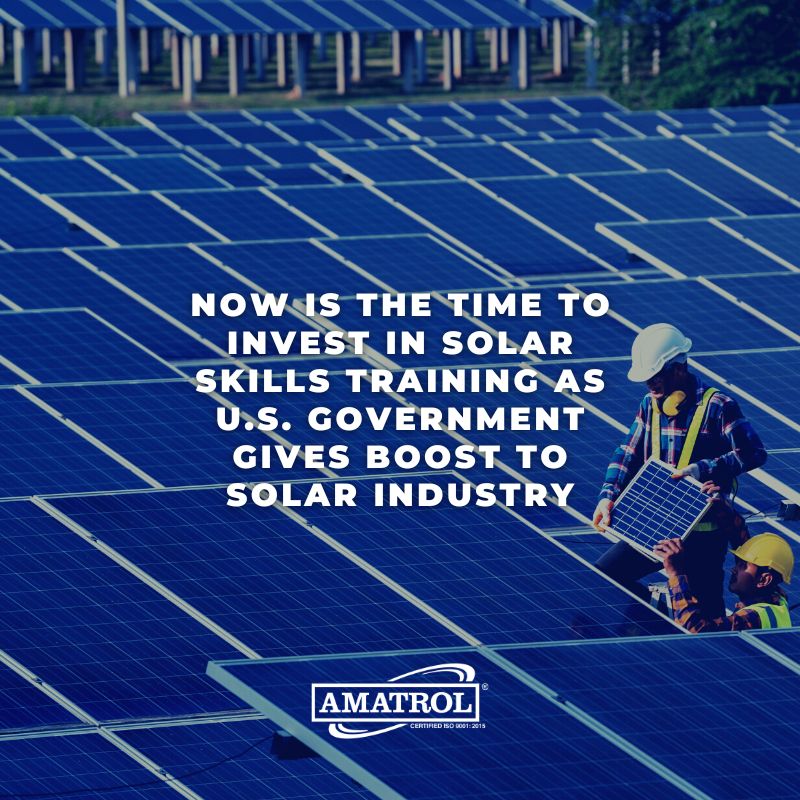
Decades ago, the thought of renewable energy sources, like solar and wind, supplying a substantial portion of power needs felt like the stuff of science fiction. After all, supplies of traditional fuel sources, such as petroleum and coal, seemed inexhaustible. Fast forward to today and it’s remarkable how the modern power generation landscape has changed.
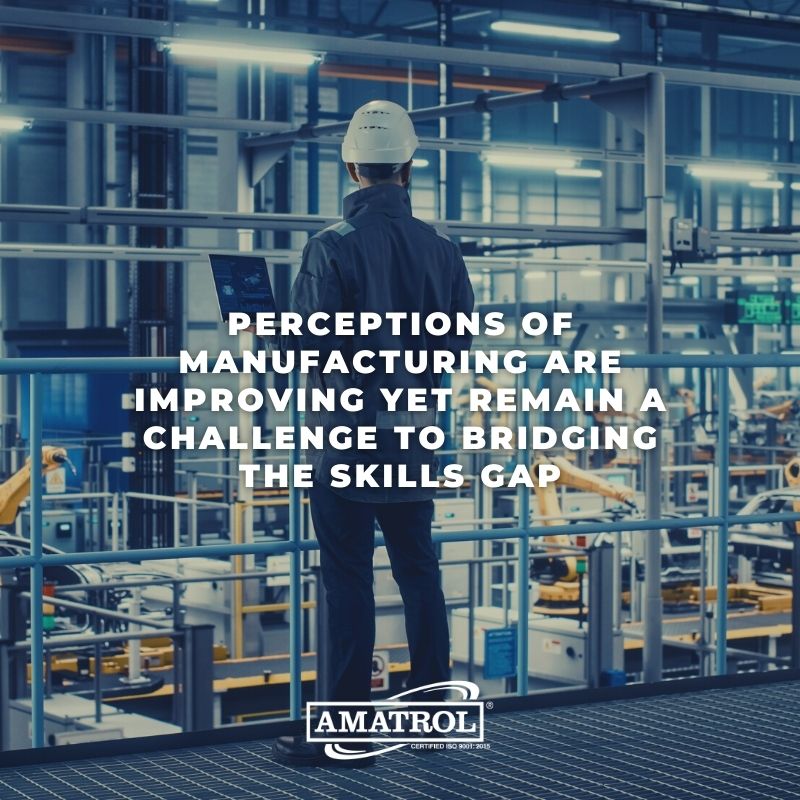
What’s your dream job? When instructors ask their students this question, the answers will likely span a wide variety of careers. For some, “professional gamer” or “social media influencer” may seem like the perfect way to spend their days. Of course, those opportunities tend to be few and far between. Those who set their sights
To watch a Multimedia version of this story, please click here. When we open up trusted publications and see headlines like… “ROBOTS ARE STEALING OUR JOBS” (Entrepreneur, April 2019) “AI EXPERT SAYS AUTOMATION COULD REPLACE 40% OF JOBS IN 15 YEARS” (Fortune, Jan. 2019) “JOB LOSS FROM AI? THERE’S MORE TO FEAR!” (Forbes, Aug. 2018)
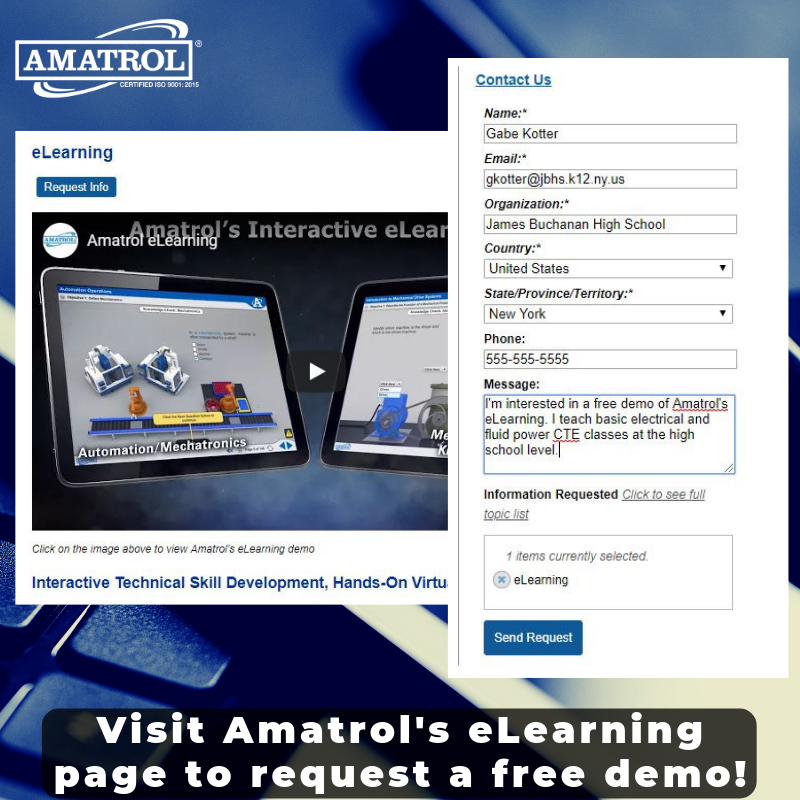
Click HERE to view this article as a multimedia presentation. The Challenge What is the biggest challenge facing industry today? Most business leaders can quickly name a variety of challenges they face, but according to IBM’s “The Value of Training” white paper, “more than 65% of global leaders cite ‘talent and leadership shortages’ as their
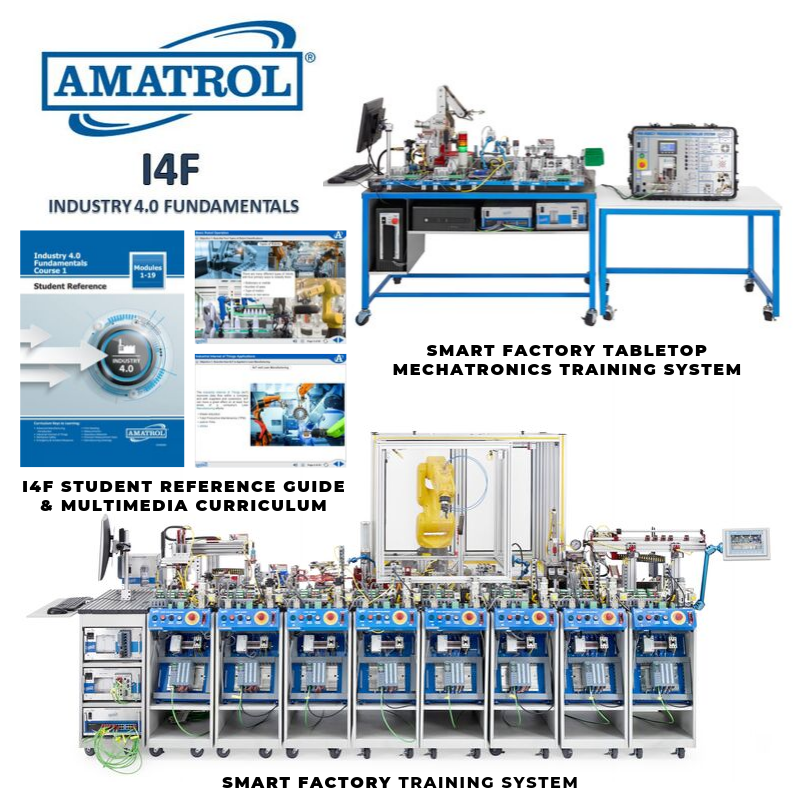
Click HERE to view this article as a multimedia presentation. Whether you work in industry or a career and technical education (CTE) program, there’s a set of buzzwords you’ve probably heard frequently over the last couple of years. They include Industry 4.0, Fourth Industrial Revolution, Industrial Internet of Things (IIoT), and Smart Factory, to
Click HERE to view this article as a multimedia presentation. On September 23, 2019, the National Association of Manufacturers (NAM) released its most recent NAM Manufacturers’ Outlook Survey (the “NAM Survey”) for the third quarter of 2019. Unfortunately, the survey results revealed a continuing decline in business confidence. In the first quarter of 2019, 89.5%