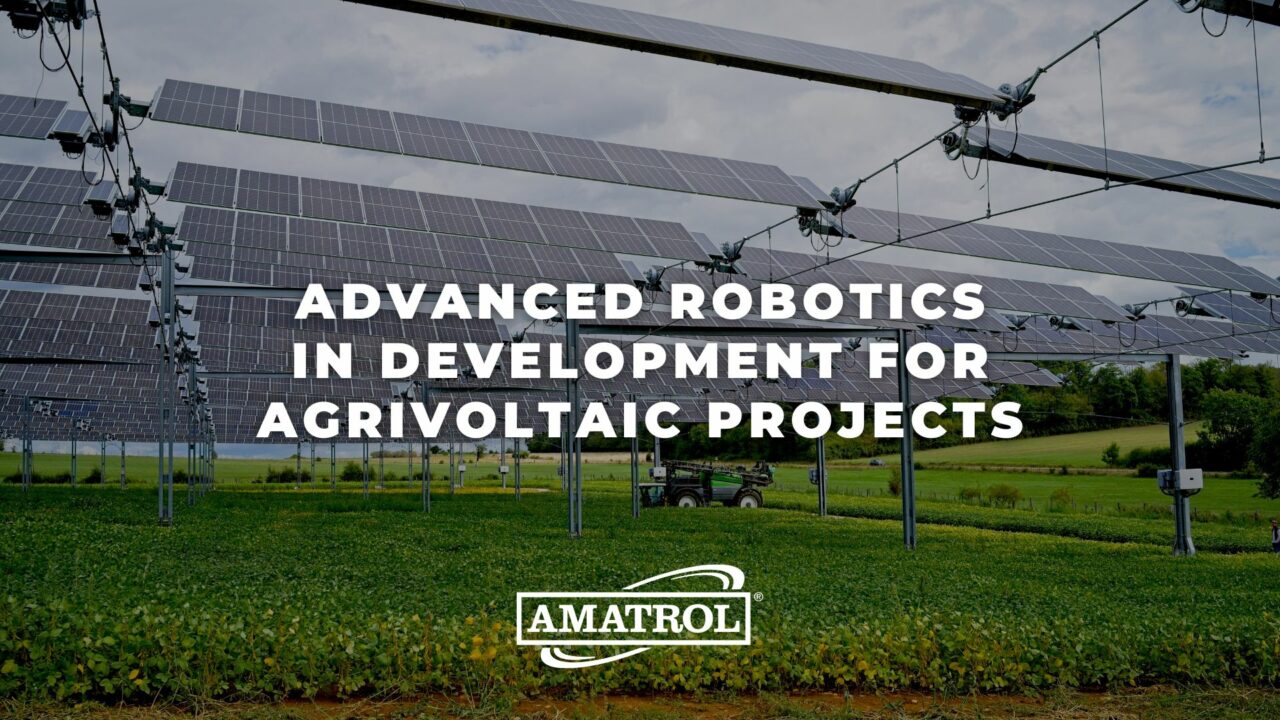

What’s the first thing you think of when you hear the phrase “alternative energy”? For some, mental images of towering wind turbines might come to mind. For others, it could be vast fields full of solar panels. As so-called “solar farms” become more and more popular, many landowners are transitioning their agricultural fields to house

Amatrol is pleased to announce that its president, Paul Perkins, has been named to IBJ Media’s third annual Indiana 250, “a list of the state’s most influential and impactful business and community leaders, representing public and private companies, law firms, universities, not-for-profits, government and community organizations.” According to a press release from IBJ Media, “The
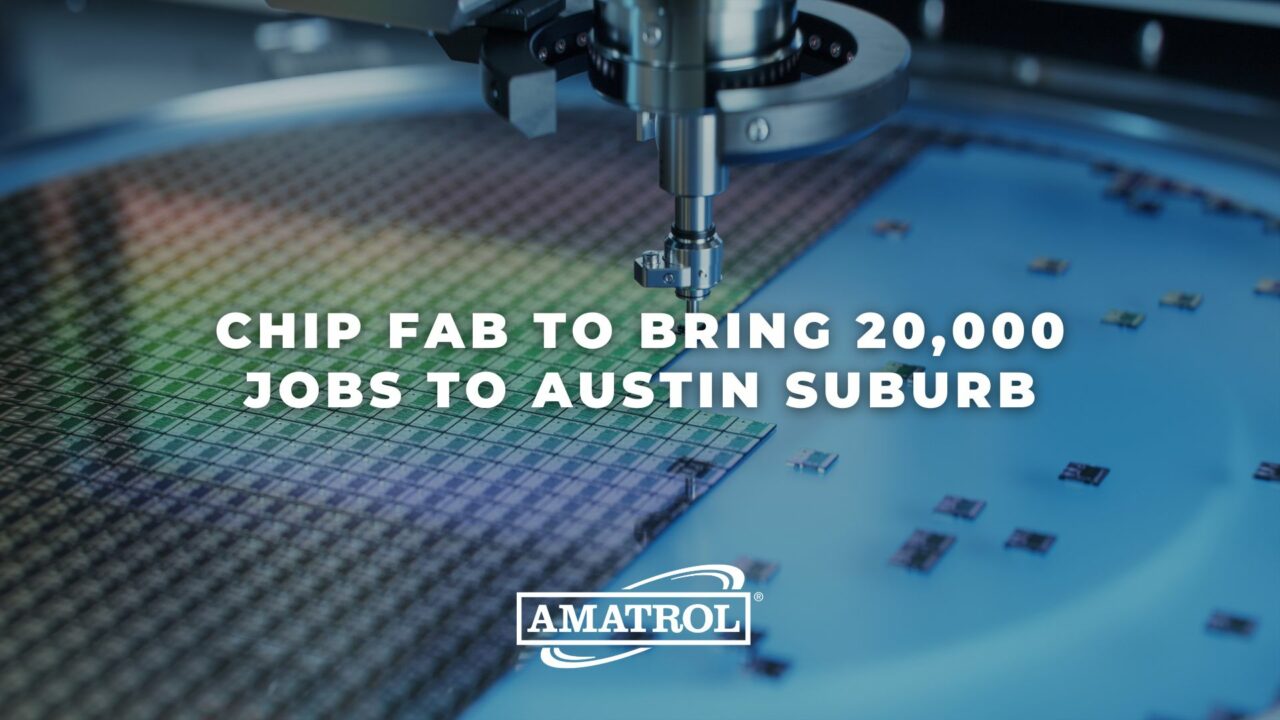
One of the lingering memories manufacturers have of the COVID-19 pandemic is the upheaval caused by supply chain disruptions when economies around the globe shut down for weeks or months at a time. In the United States, the auto industry was hit particularly hard by a shortage of critical computer chips that control nearly every

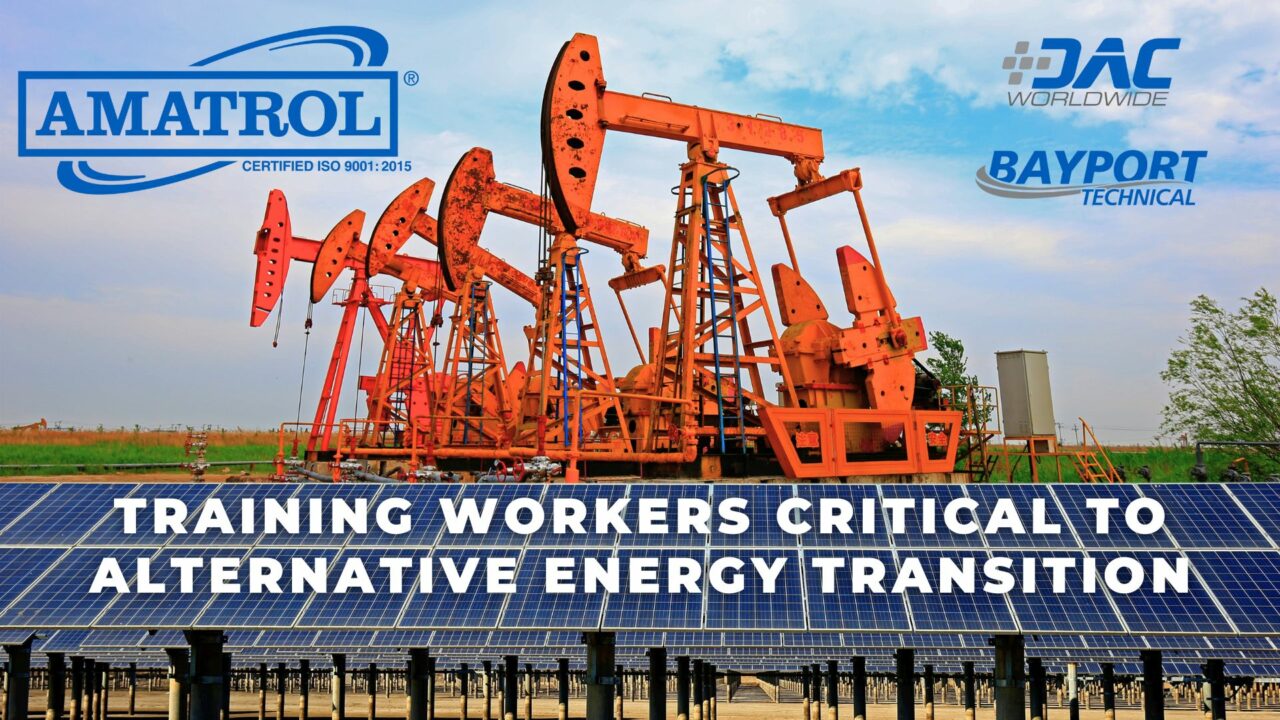
When you think of oil production, which countries come to mind? If you’re like many people, you may be thinking of countries throughout the Middle East, such as Saudi Arabi, Qatar, and United Arab Emirates. Would you believe, though, that one of the preeminent oil basins in the entire world is located right here in

What kind of dreams did you have when you were young? Did you think about the future and what kinds of things you’d see in your lifetime? Did you envision flying cars and robot butlers? Of course, today’s automobiles are still firmly grounded, although many of them are now electric. We do have wandering robots

Those familiar with manufacturing and the skilled trades know all about the skills gap and the challenge of hiring enough highly skilled workers to fill the hundreds of thousands of open positions throughout industry across the country. For years now, there simply haven’t been enough workers to meet growing demand. Hiring managers tasked with finding

What do you want to be when you grow up? Do you remember being asked that question as a child? What was your answer? Popular answers I remember from my own childhood included occupations like fireman, teacher, construction worker, and veterinarian. What did those occupations have in common? They do things that are easy to
Does your workplace focus on lean manufacturing principles? Even if the phrase “lean manufacturing” isn’t used around your facility, there’s a good chance its underlying principles are indeed guiding many of the processes used to increase productivity and efficiency while simultaneously reducing waste. The Association for Supply Chain Management outlines the five main principles of
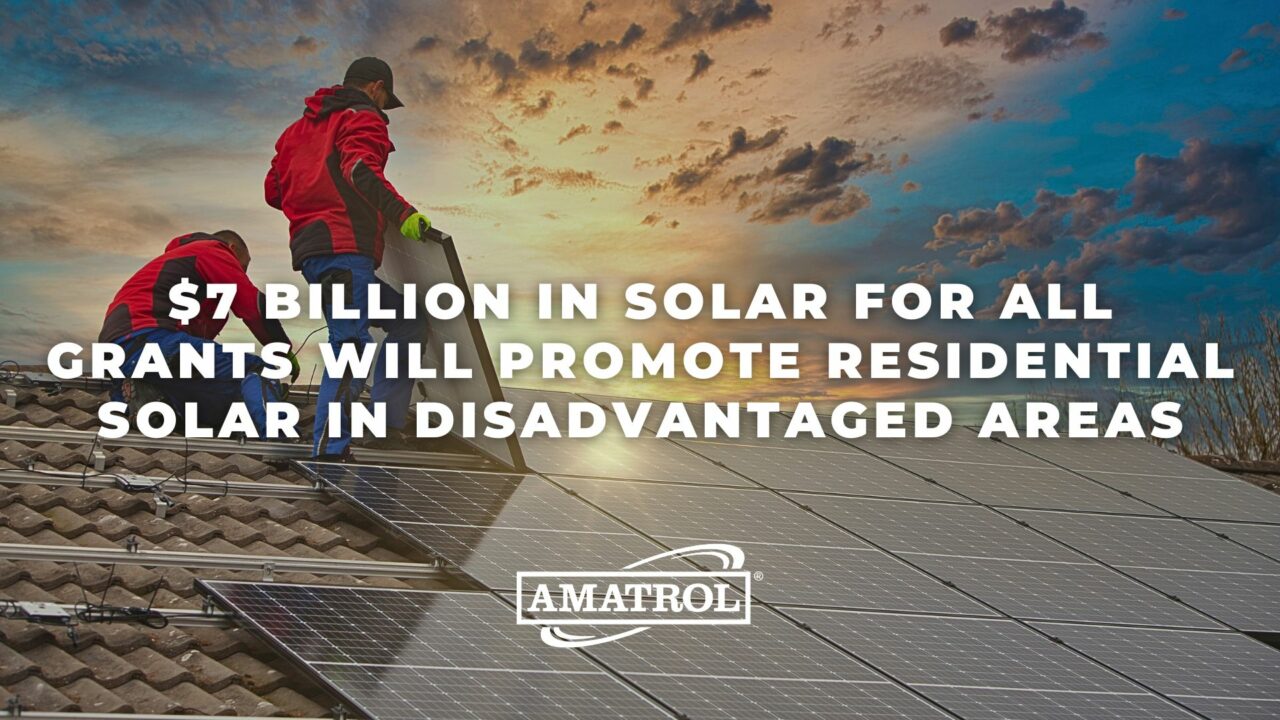
When it comes to “going green,” electric vehicles (EVs) seem to be getting all the press these days. However, other alternative energy technologies—especially solar—have been around for a much longer time and might be making significant headway thanks to a recent funding announcement by the Biden administration. According to a Fact Sheet published by The
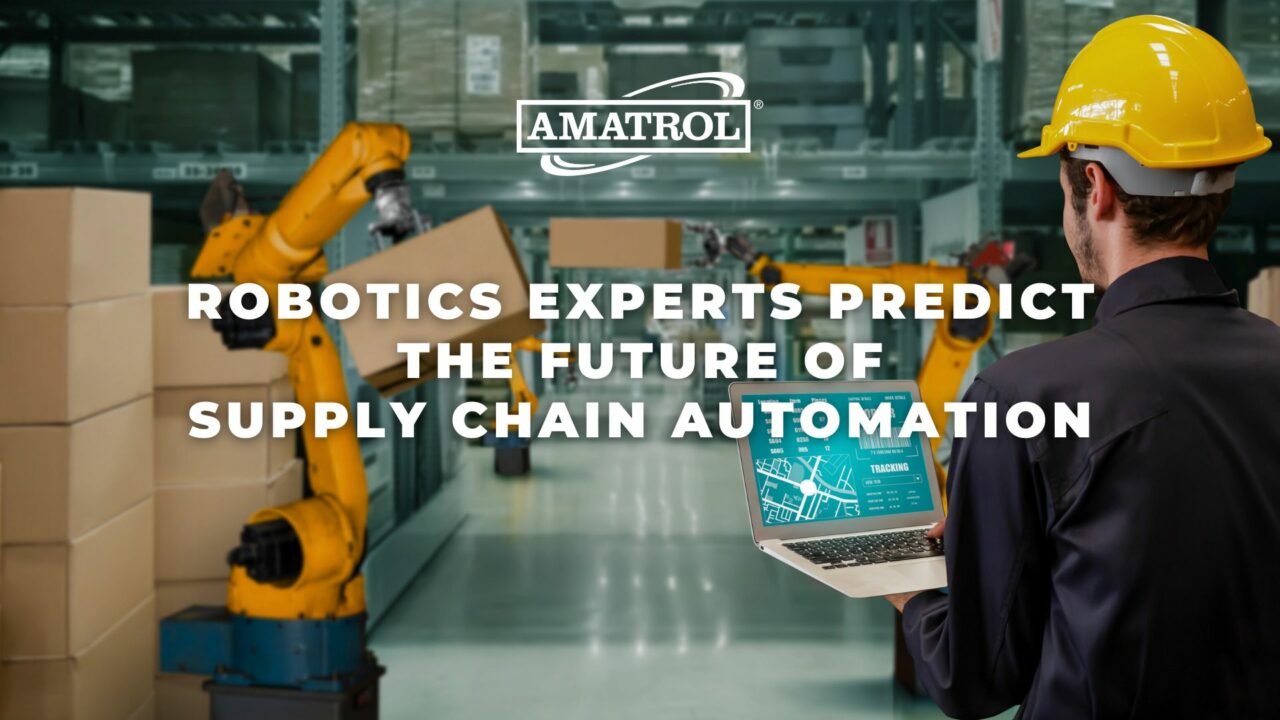
Prior to the COVID-19 pandemic, most people weren’t familiar with the term “supply chain,” and they certainly didn’t understand the impact it has on their daily lives. Throw a worldwide health crisis into the fray, though, and soon everyone understood how critical a resilient supply chain is to ensuring that the products they need are
Whether it’s a new car or the latest smartphone, there’s nothing worse than saving up your hard-earned money for a major purchase, only to experience problems from the get-go. Sure, manufacturing defects happen from time to time for a variety of reasons, but quality problems can greatly affect any brand’s reputation if they become too